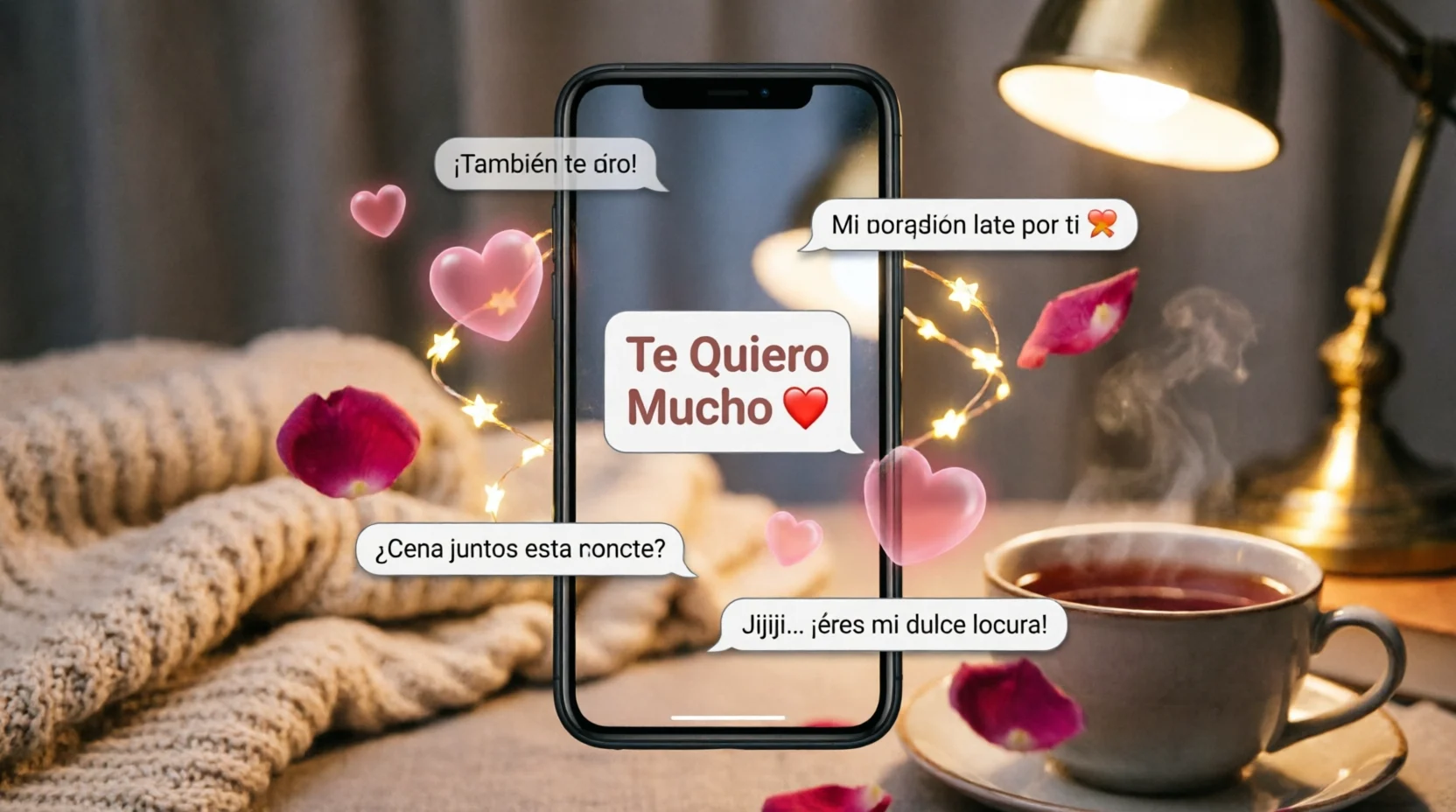
When someone says “Te quiero mucho,” they are expressing deep affection, care, or love. A good reply depends on your relationship with the person and the tone you want to set. You can respond romantically, warmly, playfully, or respectfully.
If it comes from a partner, family member, friend, or someone you are getting close to, the right response can strengthen your connection. Below are 30 thoughtful replies to “Te quiero mucho” for different situations, personalities, and relationships.
• Yo También Te Quiero Mucho
Best for: Romantic partners, close friends, and family.
Alternative: “Te quiero igual.”
Examples:
“Yo también te quiero mucho. Gracias por estar siempre conmigo.”
“Te quiero mucho también, más de lo que imaginas.”
• Te Quiero Más
Best for: Playful romantic conversations.
Alternative: “Yo te quiero el doble.”
Examples:
“No, yo te quiero más.”
“Imposible, porque yo te quiero muchísimo más.”
• Eso Me Hace Muy Feliz
Best for: Sweet and appreciative responses.
Alternative: “Me alegra escuchar eso.”
Examples:
“Eso me hace muy feliz, gracias.”
“Escuchar eso me alegró el día.”
• Yo También Siento Lo Mismo
Best for: Honest and heartfelt replies.
Alternative: “Compartimos el mismo sentimiento.”
Examples:
“Yo también siento lo mismo por ti.”
“Me alegra decir que yo también siento lo mismo.”
• Gracias Por Decírmelo
Best for: Respectful and sincere situations.
Alternative: “Aprecio que lo compartas.”
Examples:
“Gracias por decírmelo, significa mucho para mí.”
“Aprecio mucho que me lo hayas dicho.”
• Siempre Puedes Contar Conmigo
Best for: Family members and close friends.
Alternative: “Estoy aquí para ti.”
Examples:
“Siempre puedes contar conmigo.”
“Recuerda que estaré aquí cuando me necesites.”
• Tú También Eres Muy Especial Para Mí
Best for: Meaningful emotional conversations.
Alternative: “Ocupas un lugar especial en mi corazón.”
Examples:
“Tú también eres muy especial para mí.”
“Quiero que sepas lo importante que eres para mí.”
• Qué Dulce Eres
Best for: Flirty and lighthearted responses.
Alternative: “Eres un encanto.”
Examples:
“Qué dulce eres, gracias.”
“Siempre sabes cómo hacerme sonreír.”
• Me Siento Afortunado De Tenerte
Best for: Romantic and heartfelt moments.
Alternative: “Tengo suerte de conocerte.”
Examples:
“Me siento afortunado de tenerte en mi vida.”
“De verdad valoro tenerte cerca.”
• Te Mando Un Abrazo Grande
Best for: Long-distance friends and family.
Alternative: “Un abrazo enorme para ti.”
Examples:
“Te mando un abrazo grande.”
“Aunque estemos lejos, te mando mucho cariño.”
• Eso Significa Mucho Para Mí
Best for: Appreciative and genuine replies.
Alternative: “Tus palabras me llegan al corazón.”
Examples:
“Eso significa mucho para mí.”
“Gracias, tus palabras son muy importantes.”
• Yo También Te Adoro
Best for: Romantic partners and close family.
Alternative: “Te aprecio muchísimo.”
Examples:
“Yo también te adoro.”
“Sabes que te adoro con todo mi corazón.”
• Siempre Me Sacas Una Sonrisa
Best for: Friends, partners, and texting.
Alternative: “Siempre me animas.”
Examples:
“Siempre me sacas una sonrisa.”
“Tienes la habilidad de alegrarme el día.”
• Qué Haría Sin Ti
Best for: Close relationships and playful affection.
Alternative: “No sé qué haría sin tu apoyo.”
Examples:
“Qué haría sin ti.”
“Mi vida sería mucho más aburrida sin ti.”
• Eres Lo Mejor
Best for: Casual and sweet conversations.
Alternative: “Eres increíble.”
Examples:
“Eres lo mejor, de verdad.”
“Gracias por ser tan especial.”
• Me Encanta Escuchar Eso
Best for: Positive and cheerful responses.
Alternative: “Me alegra mucho oírlo.”
Examples:
“Me encanta escuchar eso.”
“Siempre es bonito escuchar algo así.”
• Tú Haces Mi Vida Mejor
Best for: Romantic and emotional moments.
Alternative: “Haces mis días más felices.”
Examples:
“Tú haces mi vida mejor.”
“Mi mundo es más bonito contigo.”
• Yo También Te Tengo Mucho Cariño
Best for: Friends and family.
Alternative: “Te aprecio muchísimo.”
Examples:
“Yo también te tengo mucho cariño.”
“Sabes que te aprecio de verdad.”
• Gracias Por Estar Siempre Ahí
Best for: Supportive relationships.
Alternative: “Valoro mucho tu apoyo.”
Examples:
“Gracias por estar siempre ahí para mí.”
“No sé qué haría sin tu apoyo constante.”
• Me Haces Sentir Muy Querido
Best for: Emotional and sincere conversations.
Alternative: “Me siento muy afortunado contigo.”
Examples:
“Me haces sentir muy querido.”
“Gracias por todo el cariño que me das.”
• Tú También Tienes Un Lugar Especial En Mi Corazón
Best for: Romantic or family relationships.
Alternative: “Siempre serás importante para mí.”
Examples:
“Tú también tienes un lugar especial en mi corazón.”
“Siempre ocuparás un espacio importante en mi vida.”
• Aw, Qué Lindo
Best for: Casual texting and social media.
Alternative: “Qué bonito mensaje.”
Examples:
“Aw, qué lindo, gracias.”
“Qué bonito leer eso.”
• No Sabes Cuánto Te Aprecio
Best for: Deep friendships and meaningful bonds.
Alternative: “Te valoro muchísimo.”
Examples:
“No sabes cuánto te aprecio.”
“Tu amistad significa mucho para mí.”
• Eres Una Persona Maravillosa
Best for: Encouraging and uplifting replies.
Alternative: “Eres increíble.”
Examples:
“Eres una persona maravillosa.”
“Me alegra tenerte en mi vida.”
• Yo También Pienso Mucho En Ti
Best for: Romantic and affectionate situations.
Alternative: “Siempre estás en mis pensamientos.”
Examples:
“Yo también pienso mucho en ti.”
“No pasa un día sin que piense en ti.”
• Te Quiero Con Todo Mi Corazón
Best for: Deeply romantic conversations.
Alternative: “Te amo muchísimo.”
Examples:
“Te quiero con todo mi corazón.”
“Mi cariño por ti es enorme.”
• Gracias Por Todo Lo Que Haces
Best for: Family, friends, and supportive coworkers.
Alternative: “Valoro todo tu esfuerzo.”
Examples:
“Gracias por todo lo que haces por mí.”
“Realmente aprecio todo tu apoyo.”
• Tú Siempre Haces Mi Día Mejor
Best for: Friendly and affectionate exchanges.
Alternative: “Siempre me animas.”
Examples:
“Tú siempre haces mi día mejor.”
“Hablar contigo siempre me alegra.”
• Me Siento Muy Agradecido Por Tenerte
Best for: Heartfelt and mature responses.
Alternative: “Aprecio tu presencia en mi vida.”
Examples:
“Me siento muy agradecido por tenerte.”
“Tu presencia es un regalo para mí.”
• Y Yo A Ti Muchísimo
Best for: Short texts and quick replies.
Alternative: “Igualmente.”
Examples:
“Y yo a ti muchísimo.”
“Muchísimo, siempre.”
FAQs:
• What does “Te quiero mucho” mean?
It means “I care about you a lot” or “I love you very much.” The exact meaning depends on the relationship and context.
• Is “Te quiero mucho” romantic?
It can be romantic, but it is also commonly used between friends and family members to express affection and appreciation.
• How do I reply if I feel the same way?
Simple responses like “Yo también te quiero mucho” or “Yo también siento lo mismo” work naturally and sincerely.
• What is a funny reply to “Te quiero mucho”?
Playful responses such as “Te quiero más” or “Eso dices porque soy increíble” can keep the conversation light and fun.
• Can I reply in English?
Yes. Responses like “I care about you too,” “That means a lot to me,” or “I love you too” are natural choices.
Conclusion
Finding the right replies to te quiero mucho depends on the relationship, the moment, and the feeling you want to express. If you choose a romantic response, a sweet acknowledgment, a funny comeback, or a heartfelt message, sincerity always matters most. A thoughtful reply can deepen connections and make the other person feel appreciated and valued.

I’m Jacob Foster, a writer passionate about helpful replies, clever responses, and everyday communication, creating simple, practical content to help readers find the right words.