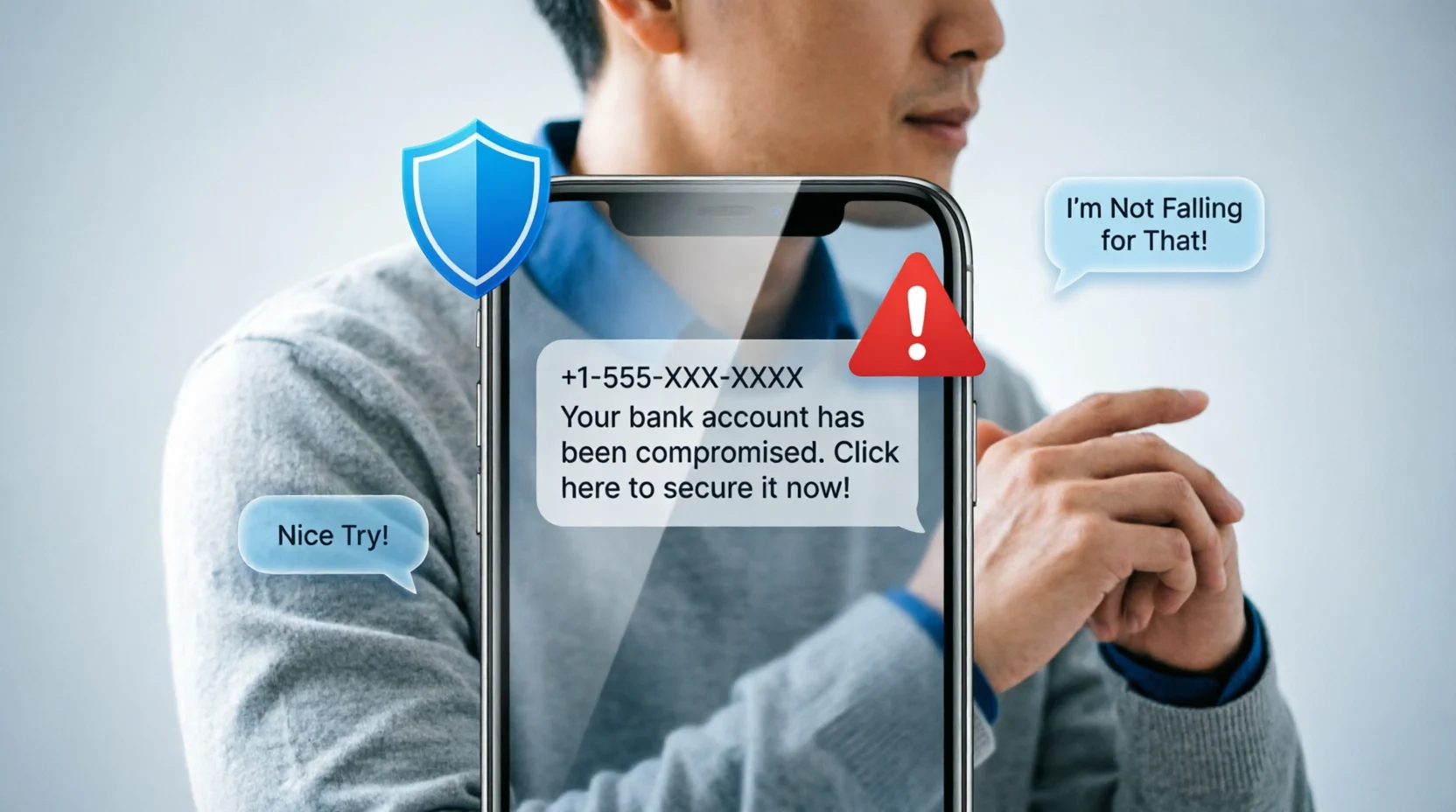
Receiving a suspicious text message can be annoying, confusing, or even frightening. If someone is pretending to be your bank, offering fake prizes, asking for money, or sending suspicious links, knowing the right replies to scammer text messages can help you handle the situation confidently.
The best response is usually no response at all. You can block and report the number without engaging. However, if you want a witty comeback, a firm warning, or a professional message that makes your boundaries clear, these replies to scam texts give you plenty of options. Remember, never share passwords, verification codes, banking details, or personal information with someone you do not trust.
1. “I Know This Is a Scam”
Best for: Calling out a suspicious message directly without getting into a lengthy conversation.
Alternative: “Your message looks suspicious, and I won’t be responding.”
Examples:
- “I know this is a scam. Don’t contact me again.”
- “Nice try, but I’m not falling for this.”
2. “Wrong Person, Wrong Number”
Best for: Responding to scammers who pretend to know you or claim to have contacted you by mistake.
Alternative: “You’ve reached the wrong person. Please stop messaging me.”
Examples:
- “Sorry, I don’t know you, and I’m not interested in your offer.”
- “Wrong number, wrong person, and definitely the wrong approach.”
3. “I’m Not Interested”
Best for: Shutting down fake investment opportunities, suspicious promotions, and unsolicited offers.
Alternative: “Please remove my number from your contact list.”
Examples:
- “I’m not interested in your offer. Have a good day.”
- “Thanks, but I don’t accept unsolicited financial offers.”
4. “Please Don’t Contact Me Again”
Best for: Setting a clear boundary when an unknown sender repeatedly messages you.
Alternative: “Do not send me any further messages.”
Examples:
- “Please stop contacting me. I won’t respond to future messages.”
- “This is my final response. Do not message me again.”
5. “Your Prize Sounds Fake”
Best for: Messages claiming you’ve won a lottery, giveaway, or prize you never entered to win.
Alternative: “I don’t believe this prize notification is legitimate.”
Examples:
- “I won a prize without entering? That’s some impressive magic.”
- “If I have to pay to receive my prize, I’ll pass.”
6. “I’m Not Clicking That Link”
Best for: Suspicious messages containing shortened URLs, delivery links, or urgent account notifications.
Alternative: “I’ll verify this through the official website instead.”
Examples:
- “I’m not clicking mysterious links from unknown numbers.”
- “If this is legitimate, I’ll check through the company’s official website.”
7. “My Bank Doesn’t Need You to Text Me”
Best for: Fake bank representatives requesting account information or claiming your account is frozen.
Alternative: “I’ll contact my bank directly using its official number.”
Examples:
- “Thanks for the warning. I’ll check with my bank myself.”
- “I don’t share banking information through unsolicited text messages.”
8. “That’s a Very Suspicious Offer”
Best for: Unrealistic job offers, guaranteed profits, and deals that sound too good to be true.
Alternative: “I don’t trust offers that promise unrealistic rewards.”
Examples:
- “Earn thousands a day by doing nothing? Sounds suspicious.”
- “That offer has more red flags than a parade.”
9. “I Don’t Share Verification Codes”
Best for: Scammers pretending to be friends, customer support agents, or account security representatives.
Alternative: “My verification codes are private, and I won’t share them.”
Examples:
- “No legitimate conversation requires me to hand over my one-time code.”
- “My verification code stays with me. Nice try, though.”
10. “Try Someone Who Falls for That”
Best for: A sarcastic comeback when you want to express that the scam attempt won’t work on you.
Alternative: “That trick isn’t going to work here.”
Examples:
- “You’ll need a better script than that.”
- “I’m afraid your scam has reached an unqualified customer.”
11. “Is This Your Full-Time Job?”
Best for: A humorous response to obvious spam or repeated scam attempts.
Alternative: “You must have a very interesting workday.”
Examples:
- “Is scamming people your career, or is this just a side hustle?”
- “How’s the employee satisfaction in the suspicious-message department?”
12. “Even My Spam Filter Knows Better”
Best for: Funny replies to generic promotional scams or repetitive spam texts.
Alternative: “This message belongs in the junk folder.”
Examples:
- “My spam filter rejected you before I even finished reading.”
- “Congratulations, you’ve made my phone’s suspicious-message list.”
13. “That’s Not How Money Works”
Best for: Fake investment schemes, cryptocurrency scams, and promises of guaranteed returns.
Alternative: “I don’t trust financial offers that guarantee easy money.”
Examples:
- “Double my money overnight? Even my calculator is suspicious.”
- “Guaranteed profits with zero risk? That sounds like a fantasy.”
14. “I’ll Verify Your Identity First”
Best for: Someone claiming to represent a company, government office, delivery service, or financial institution.
Alternative: “I’ll confirm your identity through an official channel.”
Examples:
- “Please provide your department name. I’ll verify it independently.”
- “I won’t rely on a text message to confirm who you are.”
15. “I’m Reporting This Message”
Best for: Suspicious messages that impersonate legitimate businesses or repeatedly request money or information.
Alternative: “This message will be reported to the appropriate service.”
Examples:
- “I’m reporting this suspicious text to my mobile provider.”
- “This looks fraudulent, so I’m saving the message for a report.”
16. “Your Story Doesn’t Add Up”
Best for: Scammers who change their stories, invent emergencies, or provide inconsistent information.
Alternative: “Your explanation is inconsistent, and I don’t trust it.”
Examples:
- “First you said you were from my bank, and now you’re from customer support?”
- “Your story has more plot holes than a bad movie.”
17. “I Don’t Send Money to Strangers”
Best for: Fake emergencies, requests for gift cards, and strangers asking for financial assistance.
Alternative: “I won’t send money without independently verifying the situation.”
Examples:
- “I’m not sending money to someone I don’t know.”
- “Gift cards aren’t an emergency payment method for me.”
18. “Nice Try, Fake Delivery Service”
Best for: Texts claiming that a package is delayed or that you must pay an unexpected delivery fee.
Alternative: “I’ll check my delivery status through the official tracking service.”
Examples:
- “I don’t remember ordering a package that needs a mysterious fee.”
- “I’ll check my tracking number directly instead of following your link.”
19. “I’m Not Giving You My Personal Information”
Best for: Messages asking for your address, date of birth, identification details, or other sensitive information.
Alternative: “I don’t disclose personal information to unverified contacts.”
Examples:
- “My personal details aren’t available through text.”
- “You can stop asking. I’m not sharing private information.”
20. “This Conversation Is Over”
Best for: Ending a conversation when the sender continues making suspicious demands.
Alternative: “I won’t engage with this conversation any further.”
Examples:
- “I’ve made my decision. Please don’t contact me again.”
- “We’re done here. I’m blocking this number.”
21. “Please Use Official Communication Channels”
Best for: Professional situations involving someone impersonating a company, employer, or service provider.
Alternative: “I’ll respond only after verifying this through an official channel.”
Examples:
- “Please contact me through your organization’s verified email address.”
- “I’ll reach out to the company directly to confirm your request.”
22. “I’m Checking This Independently”
Best for: Messages that pressure you to act quickly because of an alleged account problem or urgent payment.
Alternative: “I’ll verify the details before taking any action.”
Examples:
- “I’ll check my account through the official app before responding.”
- “Urgent requests don’t change my verification process.”
23. “That Threat Won’t Make Me Pay”
Best for: Fake legal notices, threats of arrest, and messages demanding immediate payment.
Alternative: “I’ll verify any legitimate legal matter through the appropriate authorities.”
Examples:
- “Threatening me through an unknown number won’t make me send money.”
- “I’ll confirm this claim independently rather than follow your demands.”
24. “I’m Not Falling for the Fake Emergency”
Best for: Messages claiming a family member or friend urgently needs money, especially when the sender’s identity is uncertain.
Alternative: “I’ll contact my family member directly to verify the situation.”
Examples:
- “I’ll call them using the number I already have.”
- “I care about my family, which is why I verify emergency requests first.”
25. “Your Message Has Too Many Red Flags”
Best for: Suspicious messages with poor grammar, strange links, unexpected requests, or unrealistic promises.
Alternative: “There are too many warning signs for me to trust this message.”
Examples:
- “Unknown number, urgent payment, suspicious link. That’s a no.”
- “Your message is practically waving a red flag.”
26. “I’m Blocking This Number”
Best for: Persistent scammers who continue texting after you’ve declined their offers.
Alternative: “I won’t be receiving any more messages from this number.”
Examples:
- “I’m blocking this number now. Goodbye.”
- “You’ve had your chance to stop messaging me. Blocked.”
27. “I Don’t Respond to Unknown Financial Offers”
Best for: Investment pitches, work-from-home scams, and unexpected messages promising easy income.
Alternative: “I only consider financial opportunities that I can independently verify.”
Examples:
- “Thanks, but I don’t invest based on unsolicited texts.”
- “If an opportunity is legitimate, I can research it without pressure.”
28. “You Picked the Wrong Person”
Best for: A confident, slightly cheeky response to a scammer who assumes you’ll follow their instructions.
Alternative: “Your approach isn’t going to work on me.”
Examples:
- “Wrong person. I question suspicious messages.”
- “You’ll need more than a random text to convince me.”
29. “I Prefer Facts Over Pressure”
Best for: Scammers who use countdowns, fear, emotional manipulation, or repeated demands to rush your decision.
Alternative: “I’ll make decisions after verifying the facts, not under pressure.”
Examples:
- “If I have only five minutes to decide, my answer is no.”
- “A legitimate offer can withstand a little independent research.”
30. No Reply at All
Best for: Obvious scams, phishing attempts, suspicious links, and messages from unknown senders that require no legitimate response.
Alternative: Block the sender and report the message when appropriate.
Examples:
- Don’t reply to a fake delivery notification; check your order through the official delivery service.
- Don’t answer a suspicious bank text; open your bank’s official app or call the number on your card.
FAQs:
Should I reply to a scammer text?
Usually, no. Replying can confirm that your number is active and may encourage further messages. Blocking and reporting the sender is generally safer than engaging.
What is the best reply to a scammer?
A safe, direct response is: “I don’t recognize this contact, and I won’t share personal information. Please don’t contact me again.” However, for obvious scams, ignoring the message is often better.
Can I send a funny comeback to a scammer?
You can, but it’s usually safer not to engage. Funny replies may feel satisfying, yet they can encourage the sender to continue contacting you. If you want to use humor, avoid sharing personal details or clicking links.
What should I do if I accidentally replied to a scam text?
Stop responding, don’t click links or share additional information, and block or report the sender. If you shared a password, verification code, or financial information, secure the affected account immediately and contact your bank or service provider if necessary.
How do I report a scam text?
Use your phone’s spam-reporting feature or your mobile provider’s reporting process. You can also report fraud to the appropriate consumer protection or cybercrime authority in your country. Keep relevant messages as evidence, but avoid opening suspicious attachments or links.
Conclusion
The best replies to scammer text messages are clear, confident, and safe. If you prefer a witty comeback, a firm warning, or a professional response, you don’t owe an unknown sender your time or personal information. In many cases, not replying, blocking the number, and reporting the message are the smartest moves.
Stay cautious with unexpected offers, urgent payment demands, suspicious links, and requests for verification codes. When a message claims to come from a bank, delivery company, employer, or government agency, verify it independently through an official channel before taking action.

I am Joshua Turner, an administrator at ReplyBost, helping create useful, clear, and engaging content that makes finding the right replies and responses easier.








7 thoughts on “30 Smart Replies to Scammer Text Messages That Shut Them”